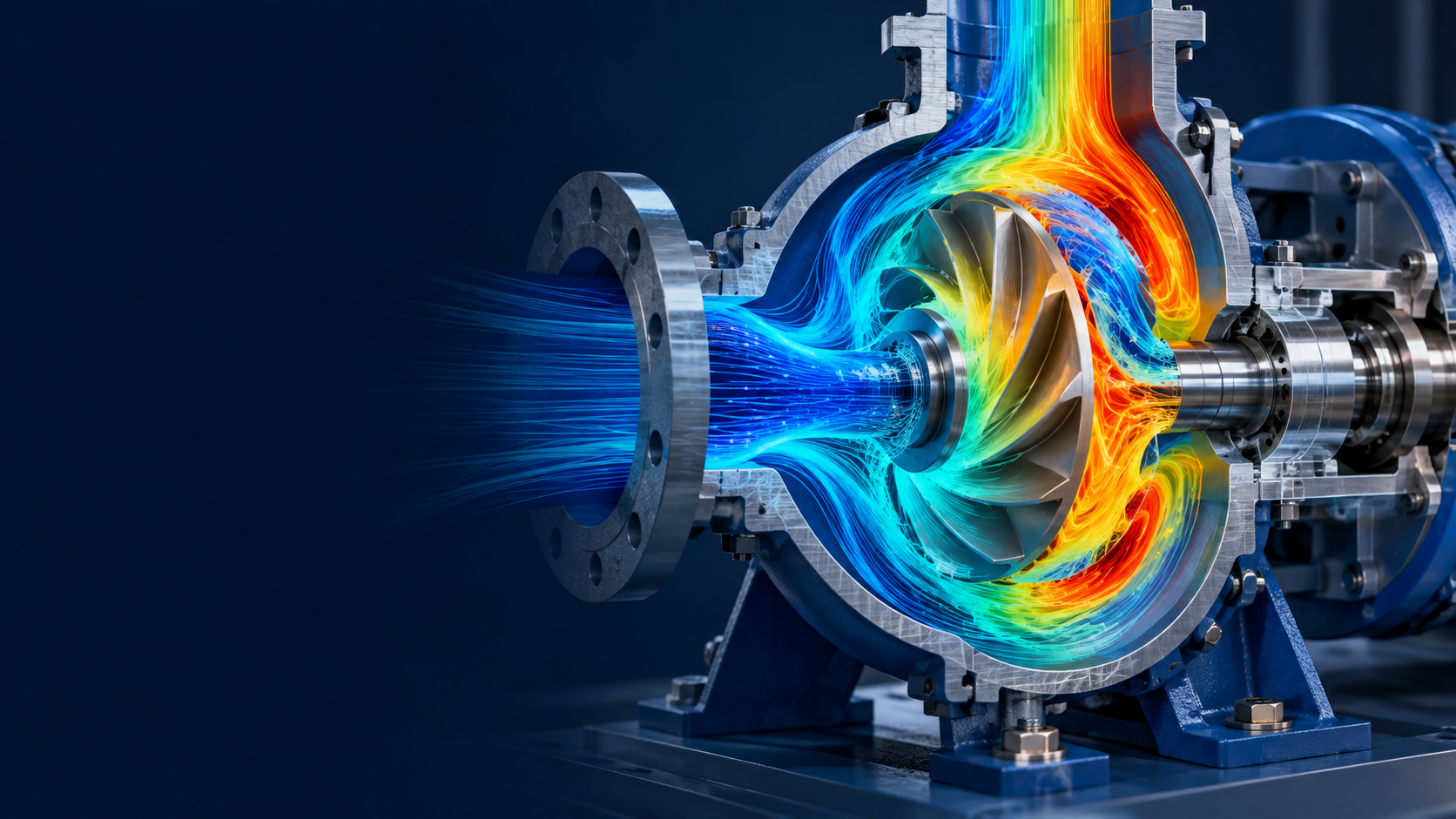
Computational fluid dynamics (CFD) uses numerical simulation to predict fluid flow and heat transfer. Engineers can compare design options for applications ranging from electronics cooling to pressure drop in piping and heat exchanger performance.
What can CFD help you evaluate?
Flow & pressure
Examine velocity, pressure, recirculation and pressure losses within a product or system.
Heat transfer & cooling
Evaluate component temperatures, airflow, heat exchangers and thermal management.
Design alternatives
Compare geometries and operating conditions to select an appropriate design.
Choose a CFD tool in the Simcenter portfolio
Simcenter STAR-CCM+ addresses advanced CFD and multiphysics applications. Simcenter FLOEFD brings flow and thermal simulation into the CAD design workflow. Simcenter Flotherm focuses on electronics thermal management and cooling. The right tool depends on your product, physics, CAD data and engineering workflow.
Explore Simcenter software and our broader CAE simulation solutions.
Consultation and implementation workflow
- Define simulation objectives, outputs and acceptance criteria.
- Review geometry, boundary conditions and integration requirements.
- Recommend a suitable tool and pilot application.
- Support model setup, result interpretation and knowledge transfer.
Discuss a CFD simulation solution
Tell us about your product, flow or thermal simulation objectives, and current workflow. Top Solutions will contact you to discuss a suitable solution.
Frequently asked questions about CFD simulation
What data is needed to start a CFD study?
A typical study needs 3D geometry, fluid and material properties, operating or boundary conditions, and target outputs such as temperature, velocity or pressure drop. The exact inputs depend on the application.
When should I choose STAR-CCM+, FLOEFD or Flotherm?
STAR-CCM+ addresses advanced CFD and multiphysics applications; FLOEFD brings flow and thermal analysis into the CAD design workflow; Flotherm focuses on electronics thermal management. The final choice depends on the product and engineering process.
Can CFD replace physical testing?
CFD helps compare designs and identify risks before prototyping. For critical decisions, simulation results should still be checked against suitable measurements or physical tests.
Can we begin with a pilot application?
Yes. Select a product or use case with clear objectives and acceptance criteria, review the input data, build the model and assess the results before expanding the workflow.